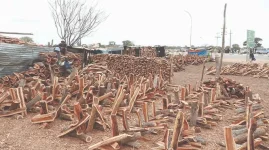
A tiny off-grid village called Lushonkwe in Gwanda North shows a brutal split after dark. Some homes have light from solar systems. Many others, especially those run by women, are stuck with candles. For people there, this isn't just about convenience. It's a basic climate survival issue, with droughts making firewood scarce and fossil fuels too pricey. Women like Senzeni Tshuma describe the constant cost of candles and the poor light for her kids' schoolwork.
Others who made the switch show what's possible. A nurse named Thenjiwe Moyo used her savings for a solar setup, letting her run a fridge and save on monthly fuel costs. Poultry farmer Kelebone Ndlovu says solar refrigeration stopped her chickens from spoiling, doubling her income for school fees. Even a farmer named Mlamuleli Ncube uses a solar torch to guard crops from elephants, replacing unreliable firewood.
The main hurdle is the crazy high initial price, especially for batteries. A government official, Washington Zhakata, says they're trying to lower costs by leveraging local lithium reserves and cutting import duties. Outside experts argue this transition has to be affordable to be fair, warning against new problems like land grabs for solar projects. The broader goal is shifting from expensive, dirty fuels to renewables, but for now, the divide in Lushonkwe is literally night and day.
Others who made the switch show what's possible. A nurse named Thenjiwe Moyo used her savings for a solar setup, letting her run a fridge and save on monthly fuel costs. Poultry farmer Kelebone Ndlovu says solar refrigeration stopped her chickens from spoiling, doubling her income for school fees. Even a farmer named Mlamuleli Ncube uses a solar torch to guard crops from elephants, replacing unreliable firewood.
The main hurdle is the crazy high initial price, especially for batteries. A government official, Washington Zhakata, says they're trying to lower costs by leveraging local lithium reserves and cutting import duties. Outside experts argue this transition has to be affordable to be fair, warning against new problems like land grabs for solar projects. The broader goal is shifting from expensive, dirty fuels to renewables, but for now, the divide in Lushonkwe is literally night and day.