A 3% inflation reading for February 2026 handed South African households their lightest price-pressure month since mid-2021.
What dragged consumer prices down
What dragged consumer prices down
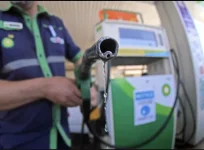
- Petrol and diesel got cheaper after global oil dipped.
- A beefed-up rand against the dollar helped slash pump costs.
- Staples like maize meal and bread barely budged upward.
- Meat prices finally leveled off after months of climbing.
- Food-and-beverage inflation dropped to roughly 4.2% year-on-year.
- Poultry and eggs posted noticeably smaller price jumps.
- Low-and-middle-income families felt the grocery relief most.
- Veggie and fruit costs either fell or crawled up.
- Municipal tariff bumps came in softer than early 2025.
- Electricity hikes landed below last year's brutal increases.
- Water and sanitation fees stayed mostly flat across municipalities.
- Overall shelter costs rose at a gentler clip.
- Booze and tobacco crept up thanks to excise-duty hikes.
- Restaurants and hotels passed higher input costs along.
- Healthcare and education fees outpaced the headline number.
- Clothing and furniture prices stayed almost dead flat.
- Core inflation held steady at 3.8% without volatility.
- SARB faces growing pressure to trim interest rates.
- Cheaper debt repayments on home loans could follow.
- Officials keep repeating they will stay data-dependent, though.
- Forecasts peg inflation between 3% and 4.5% all year.
- Stable oil prices and a steady rand are key assumptions.
- Late-year electricity tariff spikes remain a real risk.
- Weather disruptions could still rattle domestic crop output.