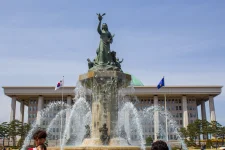
Well, the South Korean parliament just rammed through a law that could absolutely nuke press freedom, all under the banner of fighting fake news. The liberal-dominated legislature, led by the Democratic Party, shut down a conservative filibuster after a day and passed the bill with overwhelming numbers. This thing lets courts slap news outlets with punitive damages up to five times the actual losses for publishing what gets deemed false or fabricated info, with insanely broad definitions covering defamation and incitement to discrimination.
Media advocates and lawyers are screaming about dangerously vague wording that lacks any real protection for journalists. They are begging President Lee for a veto, arguing that a single incorrect line in a whole report could be used to obliterate legitimate content. The move comes amid a totally unhinged political climate where wild conspiracy theories flourish online and former President Yoon Suk Yeol faces his own legal troubles, creating a perfect storm for retaliatory legislation.
The governing party claims this mess is necessary to clean up a polluted information ecosystem filled with hate speech and disinformation. Critics see it as a blunt censorship tool born from intense ideological warfare, one that will likely chill any reporting that annoys those in power. It is basically a legal hammer waiting to drop in a country where the political scene is already a fractured, paranoid mess.
Media advocates and lawyers are screaming about dangerously vague wording that lacks any real protection for journalists. They are begging President Lee for a veto, arguing that a single incorrect line in a whole report could be used to obliterate legitimate content. The move comes amid a totally unhinged political climate where wild conspiracy theories flourish online and former President Yoon Suk Yeol faces his own legal troubles, creating a perfect storm for retaliatory legislation.
The governing party claims this mess is necessary to clean up a polluted information ecosystem filled with hate speech and disinformation. Critics see it as a blunt censorship tool born from intense ideological warfare, one that will likely chill any reporting that annoys those in power. It is basically a legal hammer waiting to drop in a country where the political scene is already a fractured, paranoid mess.