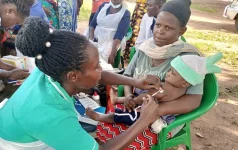
Uganda wastes far more vaccines than health experts recommend. A new study shows the country throws away vaccines at dangerous levels. Makerere University researchers worked with the Health Ministry to examine two districts. The findings reveal serious problems that hurt efforts to protect children from deadly diseases.
Vaccine wastage rates exceed World Health Organization limits across the board. BCG vaccines show 70 percent waste compared to the 50 percent WHO maximum. Measles vaccines reach 58 percent waste levels. Other vaccines like IPV and OPV also fail to meet international standards. Even single-dose vaccines show waste rates above recommended levels.
Rural health centers face the biggest challenges with vaccine waste. Health workers must open multi-dose bottles even when only one child arrives for shots. The remaining doses must be thrown away within six hours if no other children come. Poor transportation and low community participation make the problem worse. Many parents fail to bring their children for vaccination appointments.
The waste costs Uganda significant money and resources. Each thrown-away dose represents lost drugs and wasted staff time. Storage and transportation expenses add to the financial burden. The inefficiency threatens the country's ability to maintain vaccination programs for the future.
Experts suggest several solutions to reduce waste. Better planning could help predict how many children will attend vaccination sessions. Smaller vaccine bottles would reduce losses when few children arrive. Training health workers and educating parents about vaccine importance could improve participation rates and reduce waste.
Vaccine wastage rates exceed World Health Organization limits across the board. BCG vaccines show 70 percent waste compared to the 50 percent WHO maximum. Measles vaccines reach 58 percent waste levels. Other vaccines like IPV and OPV also fail to meet international standards. Even single-dose vaccines show waste rates above recommended levels.
Rural health centers face the biggest challenges with vaccine waste. Health workers must open multi-dose bottles even when only one child arrives for shots. The remaining doses must be thrown away within six hours if no other children come. Poor transportation and low community participation make the problem worse. Many parents fail to bring their children for vaccination appointments.
The waste costs Uganda significant money and resources. Each thrown-away dose represents lost drugs and wasted staff time. Storage and transportation expenses add to the financial burden. The inefficiency threatens the country's ability to maintain vaccination programs for the future.
Experts suggest several solutions to reduce waste. Better planning could help predict how many children will attend vaccination sessions. Smaller vaccine bottles would reduce losses when few children arrive. Training health workers and educating parents about vaccine importance could improve participation rates and reduce waste.