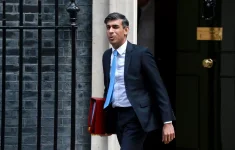
Former Chancellor Rishi Sunak told the official inquiry that the rush to save businesses during the pandemic justified the Bounce Back Loan scheme's known fraud risks. He argued that implementing stricter checks would have delayed critical aid, causing widespread collapses.
The program provided over forty-six billion pounds in government-guaranteed loans to small businesses. Sunak admitted the setup was vulnerable, relying on applicant honesty with minimal verification. Recent fraud estimates suggest losses could approach three billion pounds.
He defended the decision by stating that around forty percent of loans were issued in the first month. At the time, he said, no one was advocating for a slower, more cautious rollout. Sunak also noted the estimated fraud rate aligns with other large government benefit programs.
While acknowledging better data systems could ease future trade-offs, he insisted a balance between speed and security will always exist in a crisis. The government later added safeguards, like systems to block multiple loan applications.
The program provided over forty-six billion pounds in government-guaranteed loans to small businesses. Sunak admitted the setup was vulnerable, relying on applicant honesty with minimal verification. Recent fraud estimates suggest losses could approach three billion pounds.
He defended the decision by stating that around forty percent of loans were issued in the first month. At the time, he said, no one was advocating for a slower, more cautious rollout. Sunak also noted the estimated fraud rate aligns with other large government benefit programs.
While acknowledging better data systems could ease future trade-offs, he insisted a balance between speed and security will always exist in a crisis. The government later added safeguards, like systems to block multiple loan applications.