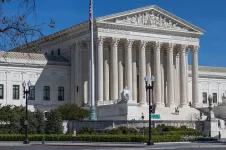
The Supreme Court is diving into a messy gun rights showdown over private property. It will examine a Hawaiian statute making it illegal for permitted individuals to bring handguns onto businesses or other publicly accessible private land without direct approval from the property owner. This case, Wolford v. Lopez, questions if states can effectively limit where licensed carriers can go.
Hawaii passed its law after a prior Supreme Court ruling affirmed a general right to public carry. The regulation states that entering private property with a firearm, concealed or not, requires clear authorization from the manager or owner. That permission can be a sign, a written note, or a verbal okay. Breaking this rule is a misdemeanor crime.
Three residents from Hawaii challenged the statute. They argue it turns a constitutional right into a hollow promise by banning guns from almost everywhere people go. Their estimate claims over ninety-six percent of publicly accessible land in Maui County becomes off limits under this, combined with other location bans. They say this contradicts the earlier Court decision.
The state frames this as a property rights issue, not a direct gun restriction. Hawaii argues that landowners have always controlled who enters their premises and with what items. Its legal defense points to old statutes against armed trespass, some from the Reconstruction era. The state claims its model simply clarifies that standard property law does not implicitly welcome firearms.
Appeals courts have disagreed on this. One circuit upheld Hawaii's law, while another struck down a similar rule elsewhere. The Supreme Court must decide if a default ban is constitutional or if the right to carry requires a default allowance on open commercial property. The decision will set the national standard.
A ruling against Hawaii would jeopardize similar laws in states like New York and New Jersey. It would mean permit holders can carry in stores and restaurants unless explicitly told not to. Upholding the law would give states a blueprint to restrict public carry through property rules, letting owners decide the default.
Hawaii passed its law after a prior Supreme Court ruling affirmed a general right to public carry. The regulation states that entering private property with a firearm, concealed or not, requires clear authorization from the manager or owner. That permission can be a sign, a written note, or a verbal okay. Breaking this rule is a misdemeanor crime.
Three residents from Hawaii challenged the statute. They argue it turns a constitutional right into a hollow promise by banning guns from almost everywhere people go. Their estimate claims over ninety-six percent of publicly accessible land in Maui County becomes off limits under this, combined with other location bans. They say this contradicts the earlier Court decision.
The state frames this as a property rights issue, not a direct gun restriction. Hawaii argues that landowners have always controlled who enters their premises and with what items. Its legal defense points to old statutes against armed trespass, some from the Reconstruction era. The state claims its model simply clarifies that standard property law does not implicitly welcome firearms.
Appeals courts have disagreed on this. One circuit upheld Hawaii's law, while another struck down a similar rule elsewhere. The Supreme Court must decide if a default ban is constitutional or if the right to carry requires a default allowance on open commercial property. The decision will set the national standard.
A ruling against Hawaii would jeopardize similar laws in states like New York and New Jersey. It would mean permit holders can carry in stores and restaurants unless explicitly told not to. Upholding the law would give states a blueprint to restrict public carry through property rules, letting owners decide the default.