Ecobrick Namibia transforms plastic waste into building materials in Swakopmund. Founder Robyn Röhm wants locals to address the growing problem of plastic pollution. She notices people burn plastic daily, releasing harmful dioxins into the air. These toxins harm wildlife and create microplastics that enter human bodies through food, water, and breathing.
The project packs used plastic from PET bottles to create building blocks for furniture and structures. A single 1.5-liter bottle holds about three bags of waste. Working with the Global Ecobrick Alliance ensures these bricks meet safety standards for construction. Röhm personally converts all her household plastic into ecobricks instead of sending it to landfills.
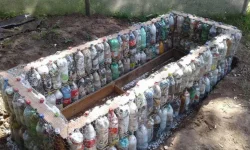
The initiative partners with Stone Valley Environmental Facility and has taught over 300 students about the dangers of single-use plastic. The students use collected eco-bricks to build raised garden beds for food production. Environmental researcher Nelau Hauluu recently joined the team. Röhm hopes the project will eventually lead to zero plastic waste in landfills and greater community awareness.
The project packs used plastic from PET bottles to create building blocks for furniture and structures. A single 1.5-liter bottle holds about three bags of waste. Working with the Global Ecobrick Alliance ensures these bricks meet safety standards for construction. Röhm personally converts all her household plastic into ecobricks instead of sending it to landfills.
The initiative partners with Stone Valley Environmental Facility and has taught over 300 students about the dangers of single-use plastic. The students use collected eco-bricks to build raised garden beds for food production. Environmental researcher Nelau Hauluu recently joined the team. Röhm hopes the project will eventually lead to zero plastic waste in landfills and greater community awareness.