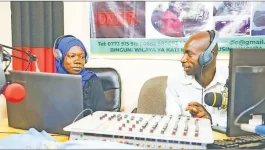
The radio is basically a survival tool for people dealing with climate chaos in Tanzania. A broadcaster named Evalilian Massawe from TBC FM does shows from places like the Rufiji Delta, explaining how mangroves fight floods. She breaks down complex science into plain language for listeners. These community stations, still reaching over eighty percent of people, are becoming essential. They turn forecasts into action, telling stories about planting trees or switching to drought-resistant crops.
You hear it in the sounds they broadcast. The squelch of mud, women laughing while planting seedlings, the clink of cowbells from Maasai herders. These details make the crisis real. A fisherman, Fakil Msumi, checks his old radio for wind warnings before going out. Another local, Hussein Kombo in Zanzibar, even started a group to plant thousands of mangrove seedlings after hearing a program. Stations work with the national weather agency to give life-saving alerts, like telling farmers to harvest early before floods hit.
But running these stations is tough. They often have busted equipment and shaky funding. Broadcasters like Lilian Mihale or Amina Mohamed sometimes use their phones to record when proper gear fails. They push on because the need is huge, connecting global climate talks to the daily struggles in villages. The radio voices act as a bridge, turning abstract risks into stories that actually get people to change what they do.
You hear it in the sounds they broadcast. The squelch of mud, women laughing while planting seedlings, the clink of cowbells from Maasai herders. These details make the crisis real. A fisherman, Fakil Msumi, checks his old radio for wind warnings before going out. Another local, Hussein Kombo in Zanzibar, even started a group to plant thousands of mangrove seedlings after hearing a program. Stations work with the national weather agency to give life-saving alerts, like telling farmers to harvest early before floods hit.
But running these stations is tough. They often have busted equipment and shaky funding. Broadcasters like Lilian Mihale or Amina Mohamed sometimes use their phones to record when proper gear fails. They push on because the need is huge, connecting global climate talks to the daily struggles in villages. The radio voices act as a bridge, turning abstract risks into stories that actually get people to change what they do.