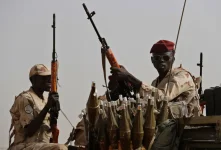
Investigations have linked the United Arab Emirates to weapons deliveries supporting the Rapid Support Forces militia, accused of atrocities in Sudan's Darfur region. Arms manufactured in Bulgaria and purchased by Abu Dhabi appeared with RSF fighters, while cargo planes transporting military equipment landed in Chad disguised as humanitarian operations. The paramilitary group controls gold mining territories and smuggles bullion through neighboring countries to Dubai, generating revenue that sustains combat operations.
El Fasher fell to the militia after an extended siege marked by mass killings and systematic sexual violence that displaced millions of civilians. United Nations experts documented the supply networks spanning Chad, Libya, Uganda and the Central African Republic that deliver drones, artillery and vehicles to RSF forces battling the Sudanese Armed Forces. American officials have described the situation as genocide and criticized Emirati involvement, while lawmakers in Britain demand tighter export restrictions after discovering components reached battlefields through unauthorized transfers.
The conflict has produced over 150,000 casualties and created conditions of famine across Sudan, with international organizations warning that external military support enables indefinite fighting. Abu Dhabi pledged humanitarian assistance and expressed support for ceasefires while denying direct participation in arms transfers.
El Fasher fell to the militia after an extended siege marked by mass killings and systematic sexual violence that displaced millions of civilians. United Nations experts documented the supply networks spanning Chad, Libya, Uganda and the Central African Republic that deliver drones, artillery and vehicles to RSF forces battling the Sudanese Armed Forces. American officials have described the situation as genocide and criticized Emirati involvement, while lawmakers in Britain demand tighter export restrictions after discovering components reached battlefields through unauthorized transfers.
The conflict has produced over 150,000 casualties and created conditions of famine across Sudan, with international organizations warning that external military support enables indefinite fighting. Abu Dhabi pledged humanitarian assistance and expressed support for ceasefires while denying direct participation in arms transfers.