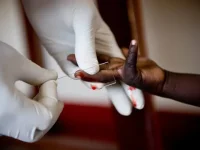
Uganda has more people living with HIV than ever before. The latest count from health officials shows over 1.5 million infected citizens across the nation. The Uganda AIDS Commission released these alarming numbers for 2024. The total reached exactly 1,527,240 people carrying the deadly virus. Adults make up the biggest chunk of these cases.
Women face the worst impact from this health crisis. Female patients account for more than 60 percent of all adult infections. The commission counted 927,751 women living with HIV compared to just 528,819 men. Adults aged 15 and older represent 1,456,570 total cases. Children under 15 years old add another 70,669 to the grim statistics.
Health experts blame several problems for the rising infection rates. Young people continue catching HIV at dangerous levels across the country. Men avoid getting tested and refuse treatment programs. Prevention methods are not reaching enough people who need protection. These gaps keep pushing the numbers higher each year.
Medical breakthroughs offer some hope for fighting this epidemic. Doctors can prescribe a new injectable drug called Lenacapavir to prevent infections. This treatment lasts much longer than daily pills. Health workers believe better medicines could help control the spread. The government wants more money for awareness campaigns and community programs.
Uganda hopes to defeat AIDS as a major health threat before 2030 arrives. Officials must focus harder on reaching all communities with testing and treatment. The growing patient numbers demand immediate action from leaders and citizens alike.
Women face the worst impact from this health crisis. Female patients account for more than 60 percent of all adult infections. The commission counted 927,751 women living with HIV compared to just 528,819 men. Adults aged 15 and older represent 1,456,570 total cases. Children under 15 years old add another 70,669 to the grim statistics.
Health experts blame several problems for the rising infection rates. Young people continue catching HIV at dangerous levels across the country. Men avoid getting tested and refuse treatment programs. Prevention methods are not reaching enough people who need protection. These gaps keep pushing the numbers higher each year.
Medical breakthroughs offer some hope for fighting this epidemic. Doctors can prescribe a new injectable drug called Lenacapavir to prevent infections. This treatment lasts much longer than daily pills. Health workers believe better medicines could help control the spread. The government wants more money for awareness campaigns and community programs.
Uganda hopes to defeat AIDS as a major health threat before 2030 arrives. Officials must focus harder on reaching all communities with testing and treatment. The growing patient numbers demand immediate action from leaders and citizens alike.