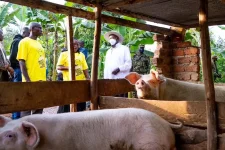
Uganda's government spent 3.3 trillion shillings on a rural development program designed to help poor families. The Parish Development Model gives each household one million shillings for farming and business projects. Officials say 2.63 million people have received money from the program. The government plans to spend another trillion shillings next year. Leaders hope the cash will move families from poverty into the formal economy.
Many recipients used their grants for immediate needs instead of long-term investments. Families spent money on school fees and medical bills rather than buying livestock or farming equipment. Local officials report that only two out of ten people can show lasting benefits from their grants. The cost of goats and farming supplies often exceeds what families receive. Renting farmland and buying seeds leaves little money for other expenses.
Political favoritism affects who receives grants according to local leaders. Village officials claim 98 percent of recipients support the ruling party. Some families pay extra fees before getting their money. Opposition members face barriers when applying for assistance. Critics call the program a campaign tool rather than a development project.
Corruption and poor planning limit the program's success. People spend grants on alcohol and luxury items instead of productive activities. The government launched a tracking system after spending most of the money without proper oversight. Experts worry the program repeats mistakes from previous failed initiatives. Reform advocates say better monitoring and fair distribution could improve results.
Many recipients used their grants for immediate needs instead of long-term investments. Families spent money on school fees and medical bills rather than buying livestock or farming equipment. Local officials report that only two out of ten people can show lasting benefits from their grants. The cost of goats and farming supplies often exceeds what families receive. Renting farmland and buying seeds leaves little money for other expenses.
Political favoritism affects who receives grants according to local leaders. Village officials claim 98 percent of recipients support the ruling party. Some families pay extra fees before getting their money. Opposition members face barriers when applying for assistance. Critics call the program a campaign tool rather than a development project.
Corruption and poor planning limit the program's success. People spend grants on alcohol and luxury items instead of productive activities. The government launched a tracking system after spending most of the money without proper oversight. Experts worry the program repeats mistakes from previous failed initiatives. Reform advocates say better monitoring and fair distribution could improve results.