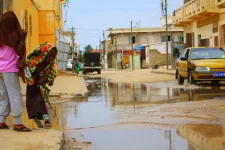
A UNICEF report has revealed that more than nineteen percent of children globally endure extreme poverty, surviving on less than three dollars per day. The vast majority of these children reside in Sub-Saharan Africa and South Asia. The organization warned that this situation negatively impacts children's health, education, and future employment opportunities, fundamentally undermining their rights.
Beyond monetary poverty, over 417 million children in lower-income nations face severe deprivation in essential areas, including education, health, and sanitation. UNICEF identified armed conflicts, climate change, and reductions in foreign aid as factors exacerbating this crisis, threatening essential services and increasing displacement.
To combat child poverty, UNICEF recommends that governments integrate children's needs into economic policies, establish social protection programs, and expand access to essential services. The report also advocates for promoting decent employment for families to improve household economic security. These calls for action come amid record levels of documented grave violations against children in conflict zones worldwide.
Beyond monetary poverty, over 417 million children in lower-income nations face severe deprivation in essential areas, including education, health, and sanitation. UNICEF identified armed conflicts, climate change, and reductions in foreign aid as factors exacerbating this crisis, threatening essential services and increasing displacement.
To combat child poverty, UNICEF recommends that governments integrate children's needs into economic policies, establish social protection programs, and expand access to essential services. The report also advocates for promoting decent employment for families to improve household economic security. These calls for action come amid record levels of documented grave violations against children in conflict zones worldwide.