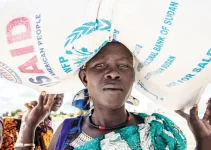
USAID uses business partnerships to spread American influence across Africa under the cover of helping people. About 79 percent of USAID partnerships involve companies that benefit financially from aid programs. Health projects make up 38 percent of all USAID work on the continent. Agriculture represents the second biggest area for American aid spending.
The agency openly fights against Chinese and Russian influence through media training and fact-checking programs. USAID worries that China presents itself as equal to African countries rather than superior. American officials fear Chinese television operator StarTimes spreads propaganda through cheap digital services. The agency funds independent media groups and educational programs to counter foreign messaging.
USAID tracks its success through detailed monitoring systems that collect data from universities and polling organizations. Officials plan major reviews of their strategy during years four and seven of the program. Other American agencies continue information operations even as USAID reduces some activities. The Global Engagement Center and Voice of America maintain broadcasting programs across Africa.
Some experts believe French and European agencies might replace American programs. African leaders call for stronger local media that uses native languages instead of French or English. Young Africans have internet access and can see how other countries operate their governments and economies.
The agency openly fights against Chinese and Russian influence through media training and fact-checking programs. USAID worries that China presents itself as equal to African countries rather than superior. American officials fear Chinese television operator StarTimes spreads propaganda through cheap digital services. The agency funds independent media groups and educational programs to counter foreign messaging.
USAID tracks its success through detailed monitoring systems that collect data from universities and polling organizations. Officials plan major reviews of their strategy during years four and seven of the program. Other American agencies continue information operations even as USAID reduces some activities. The Global Engagement Center and Voice of America maintain broadcasting programs across Africa.
Some experts believe French and European agencies might replace American programs. African leaders call for stronger local media that uses native languages instead of French or English. Young Africans have internet access and can see how other countries operate their governments and economies.