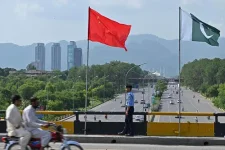
Pakistan faces mounting isolation as regional alliances shift around the nation. The country, which previously aspired to unite Muslim nations and bridge South and Central Asia, now finds itself relying heavily on Chinese support. Beijing designed the China-Pakistan Economic Corridor as part of its broader Belt and Road strategy rather than as Pakistan's initiative.
Middle Eastern nations pursue normalization with Israel through the Abraham Accords, reshaping traditional partnerships. Afghanistan remains unstable while Iran experiences international isolation and periodic border conflicts with Pakistan. Economic partnerships with Central Asian republics have failed to materialize despite ambitious planning.
China stands as Pakistan's primary consistent partner, yet this relationship grows complicated as Islamabad attempts to engage both Washington and Beijing simultaneously. Pakistan lacks membership in BRICS, the expanding economic alliance, while India's Act East Policy strengthens regional connections that exclude Pakistani participation. Maritime trade routes face potential restrictions that could severely impact the nation's economic access.
Middle Eastern nations pursue normalization with Israel through the Abraham Accords, reshaping traditional partnerships. Afghanistan remains unstable while Iran experiences international isolation and periodic border conflicts with Pakistan. Economic partnerships with Central Asian republics have failed to materialize despite ambitious planning.
China stands as Pakistan's primary consistent partner, yet this relationship grows complicated as Islamabad attempts to engage both Washington and Beijing simultaneously. Pakistan lacks membership in BRICS, the expanding economic alliance, while India's Act East Policy strengthens regional connections that exclude Pakistani participation. Maritime trade routes face potential restrictions that could severely impact the nation's economic access.