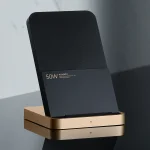
Qi wireless charging might leap to 50W and end the proprietary puck circus. WPC is chewing on a spec update that doubles the ceiling from 25W, and Xiaomi hosted the meetup, pitching a low-voltage design to stop thermals from going full meltdown.
Phones from Xiaomi, OPPO, and Motorola already blast past 50W, but you get locked into each brand’s own first-party charger. Slap them on a generic Qi pad and the power delivery nosedives to ancient limits.
A universal 50W Qi standard would let any brick and phone negotiate full speed without vendor jail. Qi2 already handed everyone MagSafe-style magnetic alignment, yet Android adoption has crawled at a snail’s pace.
WPC hasn’t stamped approval or teased any timeline. The whole thing still needs to grind through certification and industry buy-in.
If it clears, wireless charging would slash the gap with plugging in while preserving the cross-brand freedom that made Qi the default.
Phones from Xiaomi, OPPO, and Motorola already blast past 50W, but you get locked into each brand’s own first-party charger. Slap them on a generic Qi pad and the power delivery nosedives to ancient limits.
A universal 50W Qi standard would let any brick and phone negotiate full speed without vendor jail. Qi2 already handed everyone MagSafe-style magnetic alignment, yet Android adoption has crawled at a snail’s pace.
WPC hasn’t stamped approval or teased any timeline. The whole thing still needs to grind through certification and industry buy-in.
If it clears, wireless charging would slash the gap with plugging in while preserving the cross-brand freedom that made Qi the default.