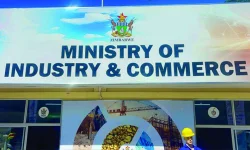
Zimbabwe just told foreign business owners to pay up or get out immediately. The Ministry of Industry and Commerce demanded that non-locals operating in reserved sectors submit regularization plans before January 31. This directive enforces Statutory Instrument 215 regarding economic empowerment. Officials require paperwork submission at provincial offices across cities like Harare and Bulawayo. Traders must also prove they paid the Standards Development Fund Levy before anyone accepts their documents.
Restricted areas include barber shops, bakeries, real estate, and artisanal mining. Existing foreign operators face a strict three-year deadline to sell 75 percent of their equity to local citizens. They must offload at least 25 percent annually until they hold only a minority stake. High-end investors can stay if they drop 20 million dollars into retail projects while employing 200 workers.
Government agents hold the power to revoke permits if investors miss these targets. Using local fronts to hide ownership leads to prison terms between three and five years. Operating without permission is a criminal offense. Repeat violators get banned from government contracts for five years.
Restricted areas include barber shops, bakeries, real estate, and artisanal mining. Existing foreign operators face a strict three-year deadline to sell 75 percent of their equity to local citizens. They must offload at least 25 percent annually until they hold only a minority stake. High-end investors can stay if they drop 20 million dollars into retail projects while employing 200 workers.
Government agents hold the power to revoke permits if investors miss these targets. Using local fronts to hide ownership leads to prison terms between three and five years. Operating without permission is a criminal offense. Repeat violators get banned from government contracts for five years.