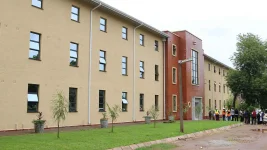
Parirenyatwa Group of Hospitals' Adlam House nurses' residence and Mbuya Nehanda Maternity Ward in Harare will reopen next month after major refurbishment. The project represents the biggest rehab of the country's largest referral health center since it opened as Andrew Fleming Hospital nearly 70 years ago.
The nurses' residence aims to reopen around mid-February, while the maternity ward should be operational around mid-April, according to the government. Finance, Economic Development, and Investment Promotion Permanent Secretary George Guvamatanga toured both facilities yesterday, checking progress on the work.
Guvamatanga said Treasury would start releasing extra funding for the project after talking with contractor Prevail International to close remaining gaps and ensure the facilities are fully functional. The nurses' residence is around 60 to 70 percent done, with structural work mostly finished.
He noted authorities don't want to open a gorgeous hospital with solid equipment but no medicines. Considering equipment, beds, linen, and drugs, completion stands around 60 to 70 percent. The government set firm deadlines, targeting the nurses' residence for Valentine's Day and Mbuya Nehanda for Independence Day.
The rehab program runs in three phases, covering student housing, maternity facilities, and the 1,400-bed main hospital. The first phase tackled the nurses' residence, which had degraded to housing just 40 student nurses out of a possible 353. Upgrades involved drilling eight boreholes, installing a 30,000-liter water tank, a 120kW solar power system, and building a swimming pool for recreation.
The second phase targets Mbuya Nehanda Maternity Hospital, where work involves removing old floors and ceilings, fixing plumbing, and upgrading patient reception areas, nurseries, and infection control systems. The third and most extensive phase will tackle the 1,400-bed main hospital block.
The government is engaging Prevail International to deliver a complete turnkey solution, ensuring the hospital opens fully equipped and ready. When they say turnkey, they mean the doctor gets the keys, and the hospital operates immediately with beds, linen, cups, and everything. Discussions will focus on funding priorities to address remaining gaps, particularly specialized equipment.
The upgrade forms part of a broader public health infrastructure transformation, with similar work happening at Sally Mugabe Central Hospital and in Mutoko under the National Development Strategy 1 and 2 frameworks. The health sector upgrade program runs from 2026 to 2030 under NDS2.
The nurses' residence aims to reopen around mid-February, while the maternity ward should be operational around mid-April, according to the government. Finance, Economic Development, and Investment Promotion Permanent Secretary George Guvamatanga toured both facilities yesterday, checking progress on the work.
Guvamatanga said Treasury would start releasing extra funding for the project after talking with contractor Prevail International to close remaining gaps and ensure the facilities are fully functional. The nurses' residence is around 60 to 70 percent done, with structural work mostly finished.
He noted authorities don't want to open a gorgeous hospital with solid equipment but no medicines. Considering equipment, beds, linen, and drugs, completion stands around 60 to 70 percent. The government set firm deadlines, targeting the nurses' residence for Valentine's Day and Mbuya Nehanda for Independence Day.
The rehab program runs in three phases, covering student housing, maternity facilities, and the 1,400-bed main hospital. The first phase tackled the nurses' residence, which had degraded to housing just 40 student nurses out of a possible 353. Upgrades involved drilling eight boreholes, installing a 30,000-liter water tank, a 120kW solar power system, and building a swimming pool for recreation.
The second phase targets Mbuya Nehanda Maternity Hospital, where work involves removing old floors and ceilings, fixing plumbing, and upgrading patient reception areas, nurseries, and infection control systems. The third and most extensive phase will tackle the 1,400-bed main hospital block.
The government is engaging Prevail International to deliver a complete turnkey solution, ensuring the hospital opens fully equipped and ready. When they say turnkey, they mean the doctor gets the keys, and the hospital operates immediately with beds, linen, cups, and everything. Discussions will focus on funding priorities to address remaining gaps, particularly specialized equipment.
The upgrade forms part of a broader public health infrastructure transformation, with similar work happening at Sally Mugabe Central Hospital and in Mutoko under the National Development Strategy 1 and 2 frameworks. The health sector upgrade program runs from 2026 to 2030 under NDS2.