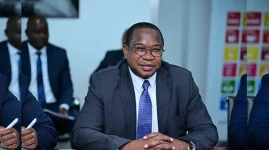
Zimbabwe partnered with the African Development Bank and World Bank to create an energy compact through the Mission 300 program. The initiative targets universal electricity access for citizens by 2030 through sustainable and affordable power solutions. Finance Minister Mthuli Ncube announced the collaboration during his mid-term budget presentation. The program addresses rural communities that lack electrical infrastructure and depend on traditional biomass for cooking needs. Government plans emphasize grid expansion, mini-grid development, and solar system installation.
The country faces significant energy challenges with production capacity reaching only 1,500 megawatts against 2,000 megawatts of national demand. Officials expect demand to rise beyond 5,000 megawatts by 2030 due to industrial growth. The Hwange Power Station expansion project successfully added two new units generating 335 megawatts each. Solar energy adoption by businesses and households contributed an additional 86 megawatts to the national grid. The initiative supports Zimbabwe's transition toward renewable energy sources while reducing environmental impacts.
The country faces significant energy challenges with production capacity reaching only 1,500 megawatts against 2,000 megawatts of national demand. Officials expect demand to rise beyond 5,000 megawatts by 2030 due to industrial growth. The Hwange Power Station expansion project successfully added two new units generating 335 megawatts each. Solar energy adoption by businesses and households contributed an additional 86 megawatts to the national grid. The initiative supports Zimbabwe's transition toward renewable energy sources while reducing environmental impacts.