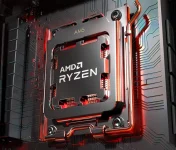
AMD plans to dominate the CPU battlefield by betting everything on TSMC's cutting-edge N2P manufacturing process. The chip giant will power most of its next-generation processors with the advanced 2-nanometer technology. Team Red reserves the older N3P process exclusively for budget laptop chips that prioritize battery life over raw performance. Renowned leaker Kepler_L2 spilled the details about AMD's aggressive manufacturing strategy. The company aims to crush Intel with superior node technology across nearly every product category.
TSMC's N2P process will fuel AMD's server powerhouse EPVC Venice lineup in both Classic and Dense configurations. The Olympic Ridge processors, which succeed the current Ryzen 9000 series, will also harness the 2nm advantage for desktop dominance. High-performance Gator Range laptop chips will pack the same advanced manufacturing muscle. AMD secured its position as TSMC's first major 2nm customer months ago. The Taiwan semiconductor giant will manufacture chips across AMD's entire product portfolio.
Medusa Point 1 represents the only exception to AMD's N2P strategy with its mixed approach. Premium versions will combine N2P and N3P technologies across different chiplets for maximum flexibility. Budget variants will stick with N3P manufacturing to control power consumption and costs. Intel fights back with its homegrown 18A process for mobile and desktop platforms. The competition heats up as Intel considers TSMC partnership for Nova Lake compute tiles.
TSMC's N2P process will fuel AMD's server powerhouse EPVC Venice lineup in both Classic and Dense configurations. The Olympic Ridge processors, which succeed the current Ryzen 9000 series, will also harness the 2nm advantage for desktop dominance. High-performance Gator Range laptop chips will pack the same advanced manufacturing muscle. AMD secured its position as TSMC's first major 2nm customer months ago. The Taiwan semiconductor giant will manufacture chips across AMD's entire product portfolio.
Medusa Point 1 represents the only exception to AMD's N2P strategy with its mixed approach. Premium versions will combine N2P and N3P technologies across different chiplets for maximum flexibility. Budget variants will stick with N3P manufacturing to control power consumption and costs. Intel fights back with its homegrown 18A process for mobile and desktop platforms. The competition heats up as Intel considers TSMC partnership for Nova Lake compute tiles.