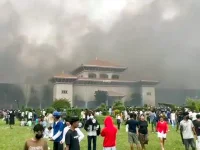
Nepal's youth movement attacked the nation's democratic foundations through violent demonstrations. Young protesters destroyed Parliament buildings, Supreme Court facilities, and government offices during September 8-10. The demonstrations resulted from social media manipulation rather than genuine political reform efforts. External forces appear to have guided impressionable minds toward destructive actions against state institutions. This destruction represents a failed experiment in youth-led political change.
Democratic elections offered Nepalese citizens proper channels for political expression before the violence erupted. Voter participation reached 61 percent during the November 2022 legislative elections, demonstrating public engagement with legal processes. Citizens possessed electoral power to remove corrupt leaders through legitimate means. The previous government made critical errors by ordering police to fire on demonstrators. Patient leadership might have prevented the tragic deaths that sparked widespread unrest.
Social media platforms enabled organizers to create destructive movements through targeted messaging campaigns. Digital manipulation transformed legitimate grievances into violent action against democratic structures. The protests revealed how technology can weaponize youth energy for harmful purposes. Nations must recognize this new threat to political stability and democratic governance. Nepal's experience demonstrates the dangerous potential of digitally orchestrated social movements.
Democratic elections offered Nepalese citizens proper channels for political expression before the violence erupted. Voter participation reached 61 percent during the November 2022 legislative elections, demonstrating public engagement with legal processes. Citizens possessed electoral power to remove corrupt leaders through legitimate means. The previous government made critical errors by ordering police to fire on demonstrators. Patient leadership might have prevented the tragic deaths that sparked widespread unrest.
Social media platforms enabled organizers to create destructive movements through targeted messaging campaigns. Digital manipulation transformed legitimate grievances into violent action against democratic structures. The protests revealed how technology can weaponize youth energy for harmful purposes. Nations must recognize this new threat to political stability and democratic governance. Nepal's experience demonstrates the dangerous potential of digitally orchestrated social movements.