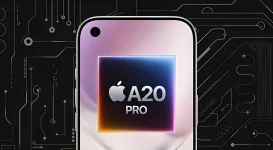
Apple fanboys might finally see genuine hardware innovation thanks to massive internal silicon upgrades. GF Securities analyst Jeff Pu claims the upcoming A20 Pro processor features radical architecture changes for the iPhone 18 Pro and the elusive iPhone Fold. This silicon apparently ditches InFO packaging for a Wafer-level Multi-Chip Module design. That shift allows engineers to stack the CPU and GPU vertically, while integrating RAM directly to save precious physical space.
Manufactured on the TSMC 2nm node, these chips also supposedly utilize Super-High-Performance Metal-Insulator-Metal capacitors. Pu believes this tech doubles density, while slashing electrical resistance. He expects Cupertino to ship roughly 250 million units globally despite a rough memory market. The modular design creates flexibility for configuring components like the Neural Engine without wasting substrate material through Molding Underfill.
The report outlines specific dimensions for that future lineup. The standard Pro gets a 6.3-inch screen, whereas the Max stretches to 6.9 inches. That widely rumored foldable reportedly sports a 5.3-inch cover display that opens into a 7.8-inch tablet. While the slab phones stick with aluminum bodies, the bending device mixes titanium into the chassis alongside a possible liquid metal hinge.
Camera enthusiasts get triple 48MP sensors on the standard models alongside an 18MP selfie shooter. The folding variant curiously opts for Touch ID instead of Face ID, and it carries fewer rear lenses. All three gadgets presumably run on 12GB of RAM, and they use an in-house C2 modem. It seems weird that the most expensive experimental unit lacks the high-end biometric scanner found on cheaper siblings.
Manufactured on the TSMC 2nm node, these chips also supposedly utilize Super-High-Performance Metal-Insulator-Metal capacitors. Pu believes this tech doubles density, while slashing electrical resistance. He expects Cupertino to ship roughly 250 million units globally despite a rough memory market. The modular design creates flexibility for configuring components like the Neural Engine without wasting substrate material through Molding Underfill.
The report outlines specific dimensions for that future lineup. The standard Pro gets a 6.3-inch screen, whereas the Max stretches to 6.9 inches. That widely rumored foldable reportedly sports a 5.3-inch cover display that opens into a 7.8-inch tablet. While the slab phones stick with aluminum bodies, the bending device mixes titanium into the chassis alongside a possible liquid metal hinge.
Camera enthusiasts get triple 48MP sensors on the standard models alongside an 18MP selfie shooter. The folding variant curiously opts for Touch ID instead of Face ID, and it carries fewer rear lenses. All three gadgets presumably run on 12GB of RAM, and they use an in-house C2 modem. It seems weird that the most expensive experimental unit lacks the high-end biometric scanner found on cheaper siblings.