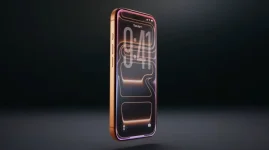
Apple released the iPhone 17 series with significant enhancements that appeal to many consumers. The iPhone 17 and iPhone 17 Pro maintain mmWave 5G capabilities exclusively within the United States borders. International customers receive devices equipped with sub-6GHz 5G networks only. This geographic restriction has persisted since the iPhone 12 introduction years ago. Apple continues this practice despite growing mmWave infrastructure development across Australia, China, South Korea, Japan, and European markets.
The company attributes this limitation to expensive mmWave hardware costs and network deployment expenses in regions with minimal adoption rates. mmWave technology excels in dense environments like stadiums, airports, and entertainment venues. However, the signal struggles with range limitations and obstacle penetration in suburban and rural locations. Apple removed mmWave support from M4 iPad Pro models and excluded the feature from the new iPhone Air with its C1X modem. Current infrastructure trends suggest mmWave will remain a United States exclusive advantage.
The company attributes this limitation to expensive mmWave hardware costs and network deployment expenses in regions with minimal adoption rates. mmWave technology excels in dense environments like stadiums, airports, and entertainment venues. However, the signal struggles with range limitations and obstacle penetration in suburban and rural locations. Apple removed mmWave support from M4 iPad Pro models and excluded the feature from the new iPhone Air with its C1X modem. Current infrastructure trends suggest mmWave will remain a United States exclusive advantage.