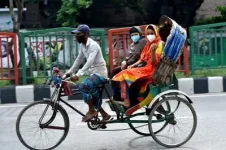
Women in Bangladesh face mounting threats to their economic participation as radicalism and institutional failures undermine decades of advancement. Civil society groups documented more than 200 cases of female vendors experiencing threats or assaults by mid-2025, forcing many to abandon market stalls and return to unpaid household work. Street hawkers and domestic workers report increased abuse and violence, while their experiences remain largely unnoticed amid broader political turmoil.
Microcredit programs that once provided rural women access to economic opportunities have deteriorated under the interim government led by Muhammad Yunus. Minority women endure particularly severe conditions, with more than 49 Hindu teachers forced to resign after receiving threats in 2025. Mob violence in Jessore district targeted women's homes through looting and intimidation, designed to drive them into exile.
Rights organizations recorded 637 lynchings in one year, creating an atmosphere of pervasive insecurity that disproportionately affects women. Religious hardliners harassed a university student in Dhaka in early 2025, and mobs later surrounded a police station to demand she withdraw her complaint. Authorities pressured her into silence rather than providing protection, demonstrating how lawlessness prevents women from pursuing education and employment.
Microcredit programs that once provided rural women access to economic opportunities have deteriorated under the interim government led by Muhammad Yunus. Minority women endure particularly severe conditions, with more than 49 Hindu teachers forced to resign after receiving threats in 2025. Mob violence in Jessore district targeted women's homes through looting and intimidation, designed to drive them into exile.
Rights organizations recorded 637 lynchings in one year, creating an atmosphere of pervasive insecurity that disproportionately affects women. Religious hardliners harassed a university student in Dhaka in early 2025, and mobs later surrounded a police station to demand she withdraw her complaint. Authorities pressured her into silence rather than providing protection, demonstrating how lawlessness prevents women from pursuing education and employment.