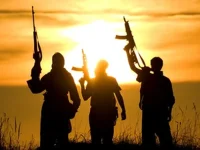
Intelligence agencies revealed that the Pakistan-based Babbar Khalsa International received approval from the Inter-Services Intelligence to coordinate 41 Khalistan movement groups under one command structure. The ISI selected BKI to lead operations because of its extensive networks in Punjab and international locations, but recruitment efforts have struggled as potential members reject the ideology that caused violence during the 1980s. The organization shifted tactics to attract recruits through financial incentives and narcotics while deploying artificial intelligence-equipped drones to smuggle drugs and weapons into Punjab.
Security officials reported the BKI mobilized resources across Pakistan, Canada, Germany, and the United Kingdom despite being banned in multiple countries. Punjab police face increased challenges as drone operations expand and the terror group collaborates with criminal networks to generate funding. Authorities from state and federal agencies coordinated responses to counter the recruitment campaign and smuggling operations. The ISI's intensified support for the Khalistan movement prompted heightened vigilance from law enforcement and intelligence services.
Security officials reported the BKI mobilized resources across Pakistan, Canada, Germany, and the United Kingdom despite being banned in multiple countries. Punjab police face increased challenges as drone operations expand and the terror group collaborates with criminal networks to generate funding. Authorities from state and federal agencies coordinated responses to counter the recruitment campaign and smuggling operations. The ISI's intensified support for the Khalistan movement prompted heightened vigilance from law enforcement and intelligence services.