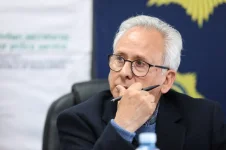
Acting Police Minister Prof Firoz Cachalia has proposed establishing a new independent agency to combat organized crime and protect whistleblowers, presenting the plan to Parliament’s ad hoc committee investigating police corruption. He argued that existing bodies like the Hawks and the Special Investigating Unit (SIU) are hamstrung by their reliance on presidential proclamations to launch investigations, creating delays in tackling serious graft and crime.
The proposed agency would operate without requiring executive approval to initiate probes, enabling faster action—particularly in high-risk areas like public procurement in sectors such as health. Cachalia emphasized that the body would also fill a critical gap in whistleblower protection, offering a secure channel for insiders to report wrongdoing without fear of retaliation.
Speaking in August 2025, Cachalia noted the proposal builds on recommendations from a reform task team he has led since 2022. He pointed to the disbanding of past specialized units as a key factor in today’s weakened enforcement capacity and said now is the time to rebuild institutional strength. The new agency would draw on existing legislation but be strengthened with new powers to ensure autonomy, speed, and effectiveness.
Cachalia underscored that South Africa’s rising organized crime networks and persistent corruption demand structural overhauls. By creating a body that can independently investigate and safeguard those who expose crime, the government could disrupt entrenched syndicates and restore public trust in law enforcement.
The proposed agency would operate without requiring executive approval to initiate probes, enabling faster action—particularly in high-risk areas like public procurement in sectors such as health. Cachalia emphasized that the body would also fill a critical gap in whistleblower protection, offering a secure channel for insiders to report wrongdoing without fear of retaliation.
Speaking in August 2025, Cachalia noted the proposal builds on recommendations from a reform task team he has led since 2022. He pointed to the disbanding of past specialized units as a key factor in today’s weakened enforcement capacity and said now is the time to rebuild institutional strength. The new agency would draw on existing legislation but be strengthened with new powers to ensure autonomy, speed, and effectiveness.
Cachalia underscored that South Africa’s rising organized crime networks and persistent corruption demand structural overhauls. By creating a body that can independently investigate and safeguard those who expose crime, the government could disrupt entrenched syndicates and restore public trust in law enforcement.