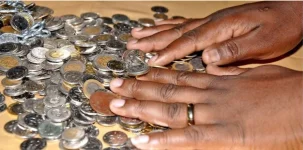
The government is literally selling money as scrap metal because nobody wants it. The Central Bank of Kenya asked smelters to buy over two hundred eighty-one tonnes of battered coins. This massive yard sale aims to clear vault space for fresh currency. Bidders must promise to melt everything down while bank officials watch.
Most of this metallic waste sits in Mombasa, which holds the biggest pile at nearly two hundred thousand kilos. Nairobi and Kisumu store the rest of the heavy load. The winning firm gets the headache of transporting and destroying the loot under strict supervision to prevent theft.
These rejected pieces contain valuable materials like copper and nickel that recyclers crave for industrial use. The bank held coins worth over eleven billion shillings recently, despite digital payments making physical change annoying. They still mint small denominations even though everyone hates carrying heavy pockets.
This purge happens right after the state hired a German company called Giesecke+Devrient to print paper notes. That deal replaced a British firm but caused drama when Auditor-General Nancy Gathungu flagged shady procurement shortcuts. Governor Kamau Thugge shrugged off the criticism, claiming national security cleared the move.
Most of this metallic waste sits in Mombasa, which holds the biggest pile at nearly two hundred thousand kilos. Nairobi and Kisumu store the rest of the heavy load. The winning firm gets the headache of transporting and destroying the loot under strict supervision to prevent theft.
These rejected pieces contain valuable materials like copper and nickel that recyclers crave for industrial use. The bank held coins worth over eleven billion shillings recently, despite digital payments making physical change annoying. They still mint small denominations even though everyone hates carrying heavy pockets.
This purge happens right after the state hired a German company called Giesecke+Devrient to print paper notes. That deal replaced a British firm but caused drama when Auditor-General Nancy Gathungu flagged shady procurement shortcuts. Governor Kamau Thugge shrugged off the criticism, claiming national security cleared the move.