A man's scars tell the story of a highway treated as a toxic dump. Pearson Rambakare survived a sulphuric acid spill along the Harare Chirundu highway, an accident that left him permanently disfigured. His experience highlights the dangers for communities along this major trade route, which has become a hotspot for hazardous waste transit and dumping. Weak controls reportedly turn border areas into grounds for dangerous materials.
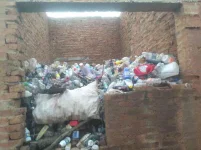
Long-distance truck drivers confirm that hazardous cargo from mining operations regularly passes through the Chirundu border post. These materials expose people and wildlife to severe risk, with spills causing forest fires and lengthy transport delays. Beyond industrial waste, plastic pollution compounds the crisis. Traders crossing the border leave mountains of discarded packaging, creating garbage that endangers local animals.
Community volunteer Future Nyikadzino leads a recycling group cleaning up these dumping sites without pay. She notes the litter includes plastic bottles and other waste discarded by stranded truck drivers. This pollution has already proven deadly, with elephants dying after consuming plastic waste near the border. Nyikadzino emphasizes that the community must become part of the solution.
Expert analysis points to systemic failure in regulation. The Environmental Management Agency lacks capacity, with only one officer assigned per district. Calls exist for a dedicated waste management department within the environment ministry. Agency officials acknowledge plastic waste is widespread, and enforcement remains difficult despite existing bans and policies.
Zimbabwe is a signatory to the regional Bamako Convention controlling hazardous waste. Implementation should strengthen tracking and enforce the polluter pays principle along transit corridors. However, the country struggles with detection due to limited technical capacity and outdated equipment at the borders. Funding shortages and fragmented responsibilities across government ministries hamper enforcement.
Major waste sources include medical facilities, industrial processes, and disposable products. Irregular collection forces communities into open burning and illegal dumping. As trucks continue moving chemicals and goods through the corridor, residents like Rambakare live with the physical and environmental scars of a failing system.
Long-distance truck drivers confirm that hazardous cargo from mining operations regularly passes through the Chirundu border post. These materials expose people and wildlife to severe risk, with spills causing forest fires and lengthy transport delays. Beyond industrial waste, plastic pollution compounds the crisis. Traders crossing the border leave mountains of discarded packaging, creating garbage that endangers local animals.
Community volunteer Future Nyikadzino leads a recycling group cleaning up these dumping sites without pay. She notes the litter includes plastic bottles and other waste discarded by stranded truck drivers. This pollution has already proven deadly, with elephants dying after consuming plastic waste near the border. Nyikadzino emphasizes that the community must become part of the solution.
Expert analysis points to systemic failure in regulation. The Environmental Management Agency lacks capacity, with only one officer assigned per district. Calls exist for a dedicated waste management department within the environment ministry. Agency officials acknowledge plastic waste is widespread, and enforcement remains difficult despite existing bans and policies.
Zimbabwe is a signatory to the regional Bamako Convention controlling hazardous waste. Implementation should strengthen tracking and enforce the polluter pays principle along transit corridors. However, the country struggles with detection due to limited technical capacity and outdated equipment at the borders. Funding shortages and fragmented responsibilities across government ministries hamper enforcement.
Major waste sources include medical facilities, industrial processes, and disposable products. Irregular collection forces communities into open burning and illegal dumping. As trucks continue moving chemicals and goods through the corridor, residents like Rambakare live with the physical and environmental scars of a failing system.