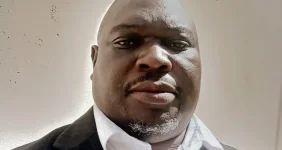
Health experts from across Africa met up virtually and talked about how weather disasters are basically destroying medical access for people who need it most. Harry Simatala from Zambia's LATU Foundation said the UN is comparing Earth to someone in intensive care because floods and storms keep cutting off communities from doctors and supplies. He pointed out that a disabled teenager in a flooded area would have zero chance of getting birth control or health education when disasters hit.
Dingaan Mithi from Malawi said his country keeps seeing clinics get wrecked by extreme weather, and diseases like cholera and malaria are spreading faster because of warmer temperatures. African nations are struggling to fund climate-resilient health infrastructure because of debt problems and reliance on American financing, which has created bigger gaps after the US pulled back on climate funding.
The speakers said countries need to stop treating climate and health as separate problems and start building systems that can keep working during emergencies. Mithi pushed for things like evacuation shelters and district water systems, while another expert said journalists need better training to cover these stories without spreading misinformation.
Dingaan Mithi from Malawi said his country keeps seeing clinics get wrecked by extreme weather, and diseases like cholera and malaria are spreading faster because of warmer temperatures. African nations are struggling to fund climate-resilient health infrastructure because of debt problems and reliance on American financing, which has created bigger gaps after the US pulled back on climate funding.
The speakers said countries need to stop treating climate and health as separate problems and start building systems that can keep working during emergencies. Mithi pushed for things like evacuation shelters and district water systems, while another expert said journalists need better training to cover these stories without spreading misinformation.