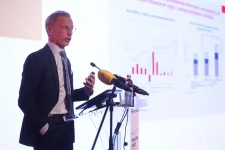
The Croatian National Bank governor, Boris Vujčić, expects economic growth to slow next year. He projected a rate of two point eight percent for 2026, with inflation around three point one percent. This year's growth estimate was trimmed to three percent, partly due to lower expected tourism revenue. That sector might see a real decline next year.
Inflation has been pushed up by energy and food costs, along with strong wage growth. The governor noted that salaries in Croatia have jumped about sixty percent on average since 2020. Pay increases should slow to six percent next year, helping ease price pressures. Domestic demand will remain the main growth driver, though both consumer spending and investment contributions are likely to shrink.
Job creation will also decelerate after a period of very strong gains. The economy is still predicted to outperform the Eurozone average, but the inflation gap with other member states will persist before gradually narrowing.
Inflation has been pushed up by energy and food costs, along with strong wage growth. The governor noted that salaries in Croatia have jumped about sixty percent on average since 2020. Pay increases should slow to six percent next year, helping ease price pressures. Domestic demand will remain the main growth driver, though both consumer spending and investment contributions are likely to shrink.
Job creation will also decelerate after a period of very strong gains. The economy is still predicted to outperform the Eurozone average, but the inflation gap with other member states will persist before gradually narrowing.