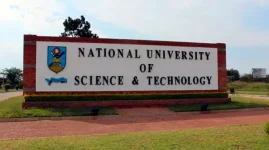
Higher education institutions across Zimbabwe have transformed their academic programs into practical service centers that address community needs. The National University of Science and Technology operates an Applied Genetic Testing Centre that has expanded beyond human DNA analysis. This facility assists law enforcement agencies with forensic investigations for crimes such as rape, murder, and burglary cases. Farmers benefit from livestock ownership dispute resolution services and animal genetic origin verification through the center. Registration with the National Biotechnology Authority and Medical Laboratory Council validates the facility's operations.
Midlands State University has developed innovation hubs and an industrial park that connect research activities with manufacturing processes. The institution created multiple specialized centers including the National Pathology Research and Diagnostic Centre and the Tugwi-Mukosi Multi-Disciplinary Research Centre. These facilities enable the university to apply intellectual resources toward regional economic development initiatives. The National Language Institute Centre and Centre for Public Policy and Devolution further expand the university's community impact. This comprehensive approach links academic research with practical industrial applications.
Chinhoyi University of Technology pursues antivenom development to reduce snake bite fatalities throughout the country. The polyvalent herbal-based formula differs from conventional serum-based treatments that target specific snake species. Traditional Zimbabwean medicinal knowledge forms the foundation for this innovative approach to treating venomous bites. Current antivenom supplies require importation from India and frequently face shortages. Universities demonstrate their commitment to addressing local challenges through research initiatives that produce tangible community benefits.
Midlands State University has developed innovation hubs and an industrial park that connect research activities with manufacturing processes. The institution created multiple specialized centers including the National Pathology Research and Diagnostic Centre and the Tugwi-Mukosi Multi-Disciplinary Research Centre. These facilities enable the university to apply intellectual resources toward regional economic development initiatives. The National Language Institute Centre and Centre for Public Policy and Devolution further expand the university's community impact. This comprehensive approach links academic research with practical industrial applications.
Chinhoyi University of Technology pursues antivenom development to reduce snake bite fatalities throughout the country. The polyvalent herbal-based formula differs from conventional serum-based treatments that target specific snake species. Traditional Zimbabwean medicinal knowledge forms the foundation for this innovative approach to treating venomous bites. Current antivenom supplies require importation from India and frequently face shortages. Universities demonstrate their commitment to addressing local challenges through research initiatives that produce tangible community benefits.