DORAH has entered South Africa's feminine care market with R1 million in state backing. Aabaalio Holdings (Pty) Ltd brought the new range to life, with its debut held at The Fortress Avenue in Edenvale and support from the trade department and the Industrial Development Corporation.
The cash came through the Grassroots Innovation Facilitation Scheme, a grant route within the Khoebo Innovation Promotion Programme, or KIPP. The IDC runs the fund for the Department of Trade, Industry and Competition, helping local inventors turn new ideas into goods they can sell.
But cash alone does not get a brand onto store shelves. Claudy Steyn, who leads work on chemicals, cosmetics, plastics, and drugs at the department, made that point clear at the event. She said firms need strong ties with industry and research groups if they want their ideas to reach buyers.
Rian Coetzee, an IDC executive in charge of industry planning and project growth, had much the same view. In his eyes, weak business ties can hurt a new brand even when it has the funds to get started. Finding the right partners can be just as hard as getting a grant.
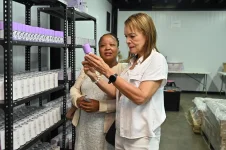
The IDC and the department worked as partners to help DORAH reach its launch stage. After the event, Steyn and Sinah Mosehla, the department's Director of Cosmetics, went to see the Sandton plant where the products are made.
KIPP has a wider goal than backing one brand. It helps small firms get past the early hurdles of bringing homegrown goods and tech to buyers. Rural and township innovators get special focus, though the fund can back ideas from other areas and sectors as well.
There are two ways for firms to seek help. The grassroots route offers grant cash, while the SME Growth Scheme uses a mix of grants and lower-ranking loans. A single deal can reach R7 million, with first-stage grassroots grants capped at R1 million.
The fund also gives firms help that goes past writing checks. Advice, market access, and links with key groups can all play a part in helping a small brand find its place. The aim is to give local products a fair shot at sales both at home and abroad.
Across its range of projects, KIPP has set aside and paid out tens of millions of rand. That support has gone to firms in various fields, with an eye on new jobs, local growth, and ideas that can meet real needs.
For DORAH, the next test is how the range fares in the market. Its launch also shows how a local firm can use grant aid and joint work with public bodies to build goods in South Africa. Other firms with products ready for sale have been urged to seek the same kind of help.