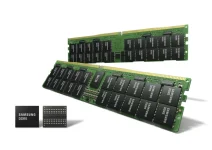
Acer and ASUS both dropped warnings that the DRAM shortage is about to mess with laptop pricing, but retail sticker prices are holding steady for the moment because companies locked in supply contracts that shield them from spot market chaos. Memory used to run about 8 to 10 percent of a PC build cost, and the 30 to 50 percent spike only pushed total costs up by maybe 2 or 3 percent since manufacturers got protection from long-term deals.
The real pain hits when those contracts reset around mid-2026, and that is when shoppers will actually see price bumps show up on spec sheets. Budget laptops are probably keeping 8 gigs of RAM and 256 gig SSDs while squeezing vendor margins, mid-range gear might get downgraded parts with pricier upgrade paths, and premium models are catching straight-up price hikes first.
Dell might already be tweaking some high-end and business machine pricing, but neither Acer nor ASUS has officially changed their list prices yet. Relief depends on memory fab capacity ramping up from Chinese suppliers, and cost pressure is expected to stick around through at least the first half of next year.
The real pain hits when those contracts reset around mid-2026, and that is when shoppers will actually see price bumps show up on spec sheets. Budget laptops are probably keeping 8 gigs of RAM and 256 gig SSDs while squeezing vendor margins, mid-range gear might get downgraded parts with pricier upgrade paths, and premium models are catching straight-up price hikes first.
Dell might already be tweaking some high-end and business machine pricing, but neither Acer nor ASUS has officially changed their list prices yet. Relief depends on memory fab capacity ramping up from Chinese suppliers, and cost pressure is expected to stick around through at least the first half of next year.