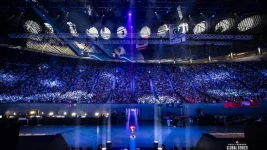
Apex Legends just dropped a massive bag of loot on the competitive scene. Electronic Arts and Respawn Entertainment are locked in a seven-million-dollar payout for the sixth annual run, which features three global offline showdowns. The roadmap starts with the first split playoffs inside the Esports World Cup at Riyadh before the tour hits Las Vegas at the Orleans Arena. Everything concludes with the championship finale in Sapporo, where the ultimate winner gets crowned.
Admins tightened the leash on roster shuffling through strict transfer windows to prevent mid-season swaps. Competitors must play twelve matches to earn team points under the new regulations. Even the lower-tier Challenger Circuit faces harder settings since the Legend Ban mechanics also apply to those amateur lobbies.
Monica Dinsmore insists this strategy secures the future through hiking payouts and visiting major territories. Daniel Suarez claims that empowering the player base highlights elite skill levels while strengthening the ecosystem. Both executives believe these adjustments foster transparency and deepen fan loyalty through a stable competitive structure.
The path to glory begins with open qualifiers feeding into the Pro League, where squads fight for cash and qualification spots. Teams in the secondary bracket aim for promotion or survive the desperate Last Chance Qualifier. Only the highest scorers secure a flight to Japan for the ultimate trophy.
Corporate backers are piling in, as Google Play and Sony INZONE pledged support alongside Razer. Japanese entities like the City of Sapporo and local power companies also joined the commercial roster. Management emphasized that cultural relevance remains a priority for the portfolio.
Admins tightened the leash on roster shuffling through strict transfer windows to prevent mid-season swaps. Competitors must play twelve matches to earn team points under the new regulations. Even the lower-tier Challenger Circuit faces harder settings since the Legend Ban mechanics also apply to those amateur lobbies.
Monica Dinsmore insists this strategy secures the future through hiking payouts and visiting major territories. Daniel Suarez claims that empowering the player base highlights elite skill levels while strengthening the ecosystem. Both executives believe these adjustments foster transparency and deepen fan loyalty through a stable competitive structure.
The path to glory begins with open qualifiers feeding into the Pro League, where squads fight for cash and qualification spots. Teams in the secondary bracket aim for promotion or survive the desperate Last Chance Qualifier. Only the highest scorers secure a flight to Japan for the ultimate trophy.
Corporate backers are piling in, as Google Play and Sony INZONE pledged support alongside Razer. Japanese entities like the City of Sapporo and local power companies also joined the commercial roster. Management emphasized that cultural relevance remains a priority for the portfolio.