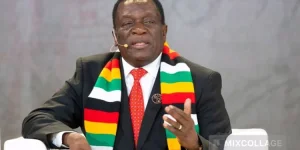
Zimbabwe's ruling party must secure voter approval through a national referendum if it wishes to extend President Emmerson Dambudzo Mnangagwa's tenure beyond 2028, according to a constitutional analysis released following a recent party conference resolution calling for his term to continue until 2030.
The constitution bars any president from serving more than two terms, and Section 328(7) specifically prevents incumbent officeholders from benefiting from amendments to term limits unless voters approve such changes in a referendum. Legal experts note that amending Sections 91 and 95, which establish presidential term limits, would require publication in the official gazette for 90 days, public consultations, two-thirds majorities in both legislative chambers, and ultimately majority support in a referendum held within three months of parliamentary passage.
Analysts warn that attempts to circumvent the referendum requirement through indirect constitutional modifications would violate core democratic principles embedded in the document. Mnangagwa will have completed two full terms when the next general election occurs in 2028.
The constitution bars any president from serving more than two terms, and Section 328(7) specifically prevents incumbent officeholders from benefiting from amendments to term limits unless voters approve such changes in a referendum. Legal experts note that amending Sections 91 and 95, which establish presidential term limits, would require publication in the official gazette for 90 days, public consultations, two-thirds majorities in both legislative chambers, and ultimately majority support in a referendum held within three months of parliamentary passage.
Analysts warn that attempts to circumvent the referendum requirement through indirect constitutional modifications would violate core democratic principles embedded in the document. Mnangagwa will have completed two full terms when the next general election occurs in 2028.