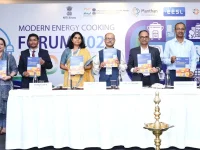
Energy experts declared that transforming India's cooking practices will drive the nation toward its 2070 carbon neutrality target. The Chintan Research Foundation organized discussions during the Modern Energy Cooking Forum 2025 to address this challenge. Specialists noted that household cooking emissions match those from aviation and shipping industries. India currently promotes liquefied petroleum gas, piped natural gas, biogas and electric cooking methods primarily to combat indoor air pollution.
Researchers advocate for renewable energy-based electric cooking technologies combined with compressed biogas blending and decentralized power systems. Policy reforms, innovative financing and technological partnerships will unlock electric cooking potential across the country. Grid integration requires updated electricity tariffs that reflect actual system costs while supporting rural households through existing government programs. Industry leaders emphasized that cooking sector transformation costs significantly less than decarbonizing aviation or shipping industries.
Researchers advocate for renewable energy-based electric cooking technologies combined with compressed biogas blending and decentralized power systems. Policy reforms, innovative financing and technological partnerships will unlock electric cooking potential across the country. Grid integration requires updated electricity tariffs that reflect actual system costs while supporting rural households through existing government programs. Industry leaders emphasized that cooking sector transformation costs significantly less than decarbonizing aviation or shipping industries.