Watch Out for Fake Books Made by Computers.
People use clever computer programs called AI to write fake books. Sometimes, they copy real books and change them slightly. Many writers feel sad when they find out someone made fake copies of their stories.
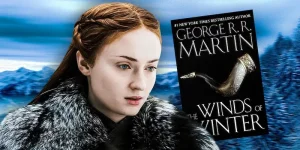
Bad people want to trick readers into buying these fake books. They know many readers might buy a book without checking if it comes from the real writer. For example, George R.R. Martin has not finished his new Game of Thrones book, but fake computer-made copies exist on the internet.
Think about writing a book called "The Life and Times of a Ugandan Night Dancer." You spend years writing it and spend lots of money making it perfect. People love your book. Then, someone uses a computer to make almost the same book with their name on it. Readers might buy the wrong book by mistake. If they read the fake book and think it's bad, they might blame you.
Some people who make these fake books say they're just writing summaries, but they really copy everything. A book called "The Sword of Kaigen" by M.L. Wang had this happen. Someone made a fake copy with a different name on it.
You can protect yourself from buying fake books. Always check the writer's name carefully. Look at what other readers say about the book before you buy it. Many kind readers write warnings when they find fake books. You can also read small parts of the book first. Computer-written books sound different from books written by real people. They sound more boring and robotic.
The best way to avoid fake books remains to read what other people say about them. If you take time to check these things, you won't buy a fake book by mistake. Computer programs still make lots of mistakes when they try to write books, and you can spot these mistakes if you look carefully.
People use clever computer programs called AI to write fake books. Sometimes, they copy real books and change them slightly. Many writers feel sad when they find out someone made fake copies of their stories.
Bad people want to trick readers into buying these fake books. They know many readers might buy a book without checking if it comes from the real writer. For example, George R.R. Martin has not finished his new Game of Thrones book, but fake computer-made copies exist on the internet.
Think about writing a book called "The Life and Times of a Ugandan Night Dancer." You spend years writing it and spend lots of money making it perfect. People love your book. Then, someone uses a computer to make almost the same book with their name on it. Readers might buy the wrong book by mistake. If they read the fake book and think it's bad, they might blame you.
Some people who make these fake books say they're just writing summaries, but they really copy everything. A book called "The Sword of Kaigen" by M.L. Wang had this happen. Someone made a fake copy with a different name on it.
You can protect yourself from buying fake books. Always check the writer's name carefully. Look at what other readers say about the book before you buy it. Many kind readers write warnings when they find fake books. You can also read small parts of the book first. Computer-written books sound different from books written by real people. They sound more boring and robotic.
The best way to avoid fake books remains to read what other people say about them. If you take time to check these things, you won't buy a fake book by mistake. Computer programs still make lots of mistakes when they try to write books, and you can spot these mistakes if you look carefully.