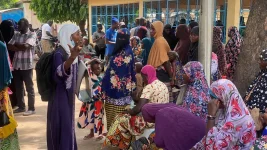
Gambian authorities will distribute $300 startup grants to impoverished families excluded from the Nafa Cash Transfer scheme as part of efforts to expand economic opportunities beyond existing welfare recipients. The Productive Economic Inclusion initiative under the RISE Project will allocate half its 5,000 household slots to non-Nafa participants, while the remaining beneficiaries come from communities graduating from the cash assistance program.
Abdou Aziz Ceesay, who directs Social and Behavioral Change Communication at NaNA, explained that The Gambia adopted an equity-focused model rather than limiting business support solely to current welfare recipients. The World Bank-funded RISE Project operates through partnerships with the National Nutrition Agency, the Department of Community Development, and the Directorate of Social Welfare.
Nafa continues bimonthly payments of D3000 to households across 17 districts, with expansion planned for 16 additional rural areas where over 15,000 families await enrollment. Fatou Drammeh, a senior program officer, confirmed that community training sessions will persist after graduation to maintain health, education, and entrepreneurship outcomes.
Abdou Aziz Ceesay, who directs Social and Behavioral Change Communication at NaNA, explained that The Gambia adopted an equity-focused model rather than limiting business support solely to current welfare recipients. The World Bank-funded RISE Project operates through partnerships with the National Nutrition Agency, the Department of Community Development, and the Directorate of Social Welfare.
Nafa continues bimonthly payments of D3000 to households across 17 districts, with expansion planned for 16 additional rural areas where over 15,000 families await enrollment. Fatou Drammeh, a senior program officer, confirmed that community training sessions will persist after graduation to maintain health, education, and entrepreneurship outcomes.