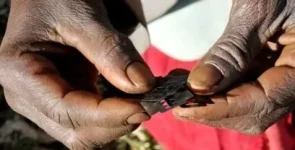
A group of civil society organizations is pushing back hard against a Supreme Court petition in The Gambia. The petition aims to strike down the national ban on Female Genital Mutilation. These groups firmly reject the legal challenge to Sections 32A and 32B of the Women’s Act.
They labeled FGM a severe form of gender based violence with no health benefits. The practice leads to permanent physical and psychological damage, they argued. The coalition pointed to recent infant deaths linked to the procedure as proof of immediate danger. They called the issue a matter of life and death for Gambian girls, framing it as a fundamental children’s rights violation.
The statement insists the government has a constitutional duty to protect women and girls from this harm. They urged authorities to prevent the practice, safeguard potential victims, and prosecute offenders. Legally, the coalition contends FGM breaches constitutional rights to dignity, bodily integrity, and health. They also cite The Gambia’s commitments under international treaties like CEDAW and the Maputo Protocol.
The coalition dismissed arguments that opposing FGM attacks cultural or religious traditions. They stated their fight is for life, dignity, and equality instead. Preserving the legal ban is essential, they concluded, for protecting the nation’s democratic and human rights progress.
They labeled FGM a severe form of gender based violence with no health benefits. The practice leads to permanent physical and psychological damage, they argued. The coalition pointed to recent infant deaths linked to the procedure as proof of immediate danger. They called the issue a matter of life and death for Gambian girls, framing it as a fundamental children’s rights violation.
The statement insists the government has a constitutional duty to protect women and girls from this harm. They urged authorities to prevent the practice, safeguard potential victims, and prosecute offenders. Legally, the coalition contends FGM breaches constitutional rights to dignity, bodily integrity, and health. They also cite The Gambia’s commitments under international treaties like CEDAW and the Maputo Protocol.
The coalition dismissed arguments that opposing FGM attacks cultural or religious traditions. They stated their fight is for life, dignity, and equality instead. Preserving the legal ban is essential, they concluded, for protecting the nation’s democratic and human rights progress.