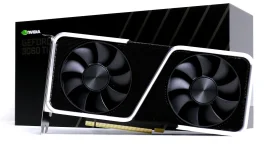
Nvidia's GeForce RTX 3060 has edged past the RTX 5070 in Valve's latest Steam Hardware Survey. The older GPU holds 3.62% of the combined chart, while its newer rival sits at 3.56%. Just 0.06 percentage points split them.
Here's the odd part. The RTX 5070 had reached 5.86% in the prior survey, only to lose much of that gain. Quite a sharp swing for a card that had seemed set to take the lead.
But a different Steam chart tells a less dramatic tale. Its PC-only GPU figures put both cards at 3.78%. That chooses chart a big deal when judging which GPU ranks first.
Other Nvidia Blackwell cards took a hit in the combined results. The RTX 5060 fell from 4.20% to 2.97%, while the RTX 5060 Ti went from 3.87% to 2.55%. Both lost ground in the sample.
RAM use had a clear split as well. Systems with 16GB made up 41.42% of responses, ahead of the 37.06% using 32GB. Those figures give game devs a useful look at the PCs in the survey.
There is a catch, though. Steam asks users to opt in, which means the results depend on who takes part. A jump or drop does not prove that millions of gamers bought, sold, or ditched a GPU.
Another clue comes from language data. Simplified Chinese use fell by 9.41 points to 21.98%. That kind of shift can change the mix of PCs in the sample, with holiday habits and cybercafés among the possible factors.
Linux had a quieter result once a prior data fix was taken into account. Valve raised its earlier figure from 3.05% to 3.90%, making the latest 3.95% reading a slight gain rather than a large leap.
For game studios and PC hardware firms, these stats can still help track what Steam users run. Yet one survey alone cannot settle global GPU sales or show how many cards exist in the wild. Longer trends offer a sounder basis for judging shifts in PC gaming hardware.