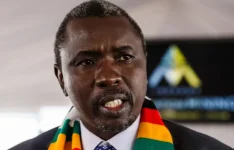
War veteran Blessed Geza recently accused businessman Kudakwashe Tagwirei of secretly planning to become Zimbabwe's next president with help from current leader Emmerson Mnangagwa. According to Geza, this plan aims to block Vice President Constantino Chiwenga from taking power. The controversy started after ZANU PF's Harare Province recommended Tagwirei for a position on the party's powerful Central Committee, signaling his move into formal politics.
Geza strongly criticized Tagwirei about this development. He claimed Tagwirei had gained control of many government contracts through corrupt practices. Geza directly confronted the businessman, stating that Tagwirei should not undermine him. He accused Tagwirei of working with Mnangagwa to enter politics through unofficial channels instead of proper procedures.
The ruling ZANU PF party faces deep divisions between competing factions. One group wants President Mnangagwa to stay in office beyond 2030 despite his advanced age. The opposing faction supports Vice President Chiwenga as the next leader. These tensions have created serious conflicts within the organization as they struggle for future control.
Critics point out that Tagwirei has expanded his business empire significantly through his close relationship with Mnangagwa. He received the contract for building the expensive Mbudzi Interchange flyover project. His business interests have grown into mining operations. He maintains near-complete control of the country's fuel industry. Additionally, he runs the Command Agriculture program and heads the important Land Tenure Implementation Committee.
During his public statements, Geza also accused Tagwirei of attempting to undo Zimbabwe's controversial land reform policies. He questioned why two separate banks oversee what he called a genuine program. Geza demanded that Tagwirei abandon any efforts to reverse the land redistribution that dramatically changed property ownership across the country several decades ago.
Reporters attempted to contact Tagwirei for his response to these serious allegations. He did not answer questions sent to him before the story went to publication. His silence leaves these claims unanswered as political tensions continue to rise within Zimbabwe's ruling party structure.
Geza strongly criticized Tagwirei about this development. He claimed Tagwirei had gained control of many government contracts through corrupt practices. Geza directly confronted the businessman, stating that Tagwirei should not undermine him. He accused Tagwirei of working with Mnangagwa to enter politics through unofficial channels instead of proper procedures.
The ruling ZANU PF party faces deep divisions between competing factions. One group wants President Mnangagwa to stay in office beyond 2030 despite his advanced age. The opposing faction supports Vice President Chiwenga as the next leader. These tensions have created serious conflicts within the organization as they struggle for future control.
Critics point out that Tagwirei has expanded his business empire significantly through his close relationship with Mnangagwa. He received the contract for building the expensive Mbudzi Interchange flyover project. His business interests have grown into mining operations. He maintains near-complete control of the country's fuel industry. Additionally, he runs the Command Agriculture program and heads the important Land Tenure Implementation Committee.
During his public statements, Geza also accused Tagwirei of attempting to undo Zimbabwe's controversial land reform policies. He questioned why two separate banks oversee what he called a genuine program. Geza demanded that Tagwirei abandon any efforts to reverse the land redistribution that dramatically changed property ownership across the country several decades ago.
Reporters attempted to contact Tagwirei for his response to these serious allegations. He did not answer questions sent to him before the story went to publication. His silence leaves these claims unanswered as political tensions continue to rise within Zimbabwe's ruling party structure.