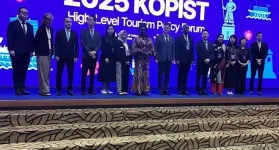
Ghana's Tourism Minister Abla Dzifa Gomashie highlighted her country's ecotourism success at a major conference in South Korea. She spoke at the 2025 Korea Partnership Initiative for Sustainable Tourism Forum in Yeosu about community-driven conservation programs. The minister explained how Ghana combines environmental protection with cultural traditions and economic benefits through local community involvement. She pointed to the Boabeng-Fiema and Tafi Atome Monkey Sanctuaries as successful examples where tourism works alongside traditional beliefs. Her presentation outlined strategies such as fair profit distribution, community skills development, and local management systems that create lasting results.
Gomashie admitted Ghana faces obstacles such as insufficient funding and cultural conflicts between modern tourism and traditional practices. She urged stronger government policies and broader community participation in tourism planning decisions. During a cultural tourism panel discussion, she described how Ghana weaves traditional dance, handicrafts, and oral storytelling into visitor programs. The minister suggested climate programs for coastal regions, educational partnerships to train tour guides, and youth-led social media efforts promoting responsible travel practices. She wants to use UNESCO recognition for Kente cloth making and historic locations to attract more visitors without compromising cultural heritage.
The minister visited South Korean ecotourism locations such as Suncheonman Wetland and National Garden to study their conservation methods. Officials from eleven nations attended the forum focused on regional development through nature-based tourism. Ghana's participation demonstrated its leadership in sustainable travel that benefits both communities and natural environments.
Gomashie admitted Ghana faces obstacles such as insufficient funding and cultural conflicts between modern tourism and traditional practices. She urged stronger government policies and broader community participation in tourism planning decisions. During a cultural tourism panel discussion, she described how Ghana weaves traditional dance, handicrafts, and oral storytelling into visitor programs. The minister suggested climate programs for coastal regions, educational partnerships to train tour guides, and youth-led social media efforts promoting responsible travel practices. She wants to use UNESCO recognition for Kente cloth making and historic locations to attract more visitors without compromising cultural heritage.
The minister visited South Korean ecotourism locations such as Suncheonman Wetland and National Garden to study their conservation methods. Officials from eleven nations attended the forum focused on regional development through nature-based tourism. Ghana's participation demonstrated its leadership in sustainable travel that benefits both communities and natural environments.