Apple permits 70 percent isopropyl alcohol wipes on iPhone exterior surfaces, but it warns against bleach, hydrogen peroxide, compressed air, and moisture in openings. For ordinary dirt, the safer default is much simpler. Power the phone off, disconnect every cable, then use a soft lint-free cloth that is only slightly damp with water.
The iPhone 17 Pro aluminum versus titanium construction leaves the newer phone with a colored anodized shell around part of its body, so cleaning is partly about protecting a finish rather than merely wiping glass. An iPhone 17 Pro cleaning kit does not need brushes, polish, solvent, or a bottle of spray cleaner. A clean microfiber cloth handles most routine fingerprints and dust.
Before rubbing at a suspicious mark, work out whether it is actually damage. Apple says material transfer on textured iPhone surfaces can resemble a scratch and may come off with cleaning. The same distinction appeared with MagSafe residue transfer on display phones, where removable marks were easy to mistake for permanent wear.
Strong household chemistry is a worse gamble. Reports of wet-wipe finish damage are a good reason to check what is actually in a wipe before using it, especially on a colored anodized surface. Bleach and hydrogen peroxide are explicitly outside Apple's cleaning guidance, and abrasive cleaners can also wear the fingerprint-resistant coating on the glass.
Dirt trapped under a case deserves attention because rubbing grit against the phone repeatedly can create marks that no cleaner will undo. Remove the case before wiping the phone and clean the case separately. If cosmetic wear matters, raised-edge case protection also keeps the camera area from taking as much direct contact with desks, pockets, and bags.
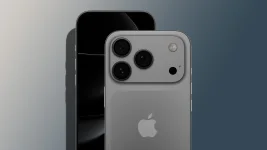
The camera glass needs the same restraint. An iPhone 17 Pro camera cleaner can simply be a clean section of microfiber used with short, gentle passes. Avoid polishing compounds around the lenses or scrubbing the surrounding metal in an attempt to erase a mark. Actual camera plateau chipping exposes underlying metal and will not disappear because the area has been cleaned harder.
Cleaning the iPhone 17 Pro camera plateau also means treating seams carefully. Wipe across the surface instead of pushing moisture toward lens edges and openings. Sand or visible grit should be lifted away before a damp wipe so it does not get dragged across the glass. The useful habit is boring but effective. Remove loose particles first, then wipe.
An iPhone 17 Pro charging port cleaner tool is therefore not something to use casually. If charging fails because compacted lint is visibly blocking the connector, avoid metal objects, liquids, and force. Persistent connection trouble after accessible debris is gone is a better service problem than an excuse to scrape deeper around delicate contacts.
To clean an iPhone 17 Pro speaker, begin with a dry, soft cloth over the grille. The same approach works when you need to clean the iPhone 17 Pro top speaker or clean the iPhone 17 Pro earpiece. Do not blast the openings with canned air or drip cleaning fluid into them. Speaker dirt sitting on the surface can be wiped away, while material packed inside an opening is better handled cautiously than pushed farther into the phone.
A regular wipe with a microfiber is enough for most ownership. Save disinfecting wipes for actual disinfection, keep moisture away from openings, and treat anything that looks like a scratch as an identification problem before turning it into a polishing project.
The iPhone 17 Pro aluminum versus titanium construction leaves the newer phone with a colored anodized shell around part of its body, so cleaning is partly about protecting a finish rather than merely wiping glass. An iPhone 17 Pro cleaning kit does not need brushes, polish, solvent, or a bottle of spray cleaner. A clean microfiber cloth handles most routine fingerprints and dust.
Before rubbing at a suspicious mark, work out whether it is actually damage. Apple says material transfer on textured iPhone surfaces can resemble a scratch and may come off with cleaning. The same distinction appeared with MagSafe residue transfer on display phones, where removable marks were easy to mistake for permanent wear.
Start with the finish, not the cleaner
Cleaning an iPhone 17 Pro with alcohol is allowed in a fairly narrow sense. Apple currently permits a 70 percent isopropyl alcohol wipe or a 75 percent ethyl alcohol wipe for gently disinfecting exterior surfaces. Afterward, use a soft cloth slightly dampened with water. Do not pour alcohol onto the phone or soak a cloth until liquid can run toward buttons, speakers, or the USB-C opening.Strong household chemistry is a worse gamble. Reports of wet-wipe finish damage are a good reason to check what is actually in a wipe before using it, especially on a colored anodized surface. Bleach and hydrogen peroxide are explicitly outside Apple's cleaning guidance, and abrasive cleaners can also wear the fingerprint-resistant coating on the glass.
Dirt trapped under a case deserves attention because rubbing grit against the phone repeatedly can create marks that no cleaner will undo. Remove the case before wiping the phone and clean the case separately. If cosmetic wear matters, raised-edge case protection also keeps the camera area from taking as much direct contact with desks, pockets, and bags.
Glass and camera surfaces need almost no chemistry
To clean the iPhone 17 Pro screen, start dry and use light pressure. If fingerprints remain, make the cloth slightly damp rather than reaching immediately for a chemical product. A dedicated iPhone 17 Pro screen cleaner is unnecessary for routine grime, and aggressive products can gradually reduce the oleophobic coating that makes fingerprints easier to wipe away.The camera glass needs the same restraint. An iPhone 17 Pro camera cleaner can simply be a clean section of microfiber used with short, gentle passes. Avoid polishing compounds around the lenses or scrubbing the surrounding metal in an attempt to erase a mark. Actual camera plateau chipping exposes underlying metal and will not disappear because the area has been cleaned harder.
Cleaning the iPhone 17 Pro camera plateau also means treating seams carefully. Wipe across the surface instead of pushing moisture toward lens edges and openings. Sand or visible grit should be lifted away before a damp wipe so it does not get dragged across the glass. The useful habit is boring but effective. Remove loose particles first, then wipe.
Ports and speakers need a lighter touch
Cleaning the iPhone 17 Pro charging port is where people are most likely to turn maintenance into damage. Apple says debris in connectors can be removed gently, but its liquid-detection guidance specifically warns against inserting cotton swabs or paper towels into a wet USB-C connector and also says not to use compressed air. If moisture is present, let the port dry with airflow instead of poking at it.An iPhone 17 Pro charging port cleaner tool is therefore not something to use casually. If charging fails because compacted lint is visibly blocking the connector, avoid metal objects, liquids, and force. Persistent connection trouble after accessible debris is gone is a better service problem than an excuse to scrape deeper around delicate contacts.
To clean an iPhone 17 Pro speaker, begin with a dry, soft cloth over the grille. The same approach works when you need to clean the iPhone 17 Pro top speaker or clean the iPhone 17 Pro earpiece. Do not blast the openings with canned air or drip cleaning fluid into them. Speaker dirt sitting on the surface can be wiped away, while material packed inside an opening is better handled cautiously than pushed farther into the phone.
A regular wipe with a microfiber is enough for most ownership. Save disinfecting wipes for actual disinfection, keep moisture away from openings, and treat anything that looks like a scratch as an identification problem before turning it into a polishing project.