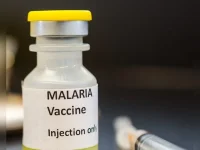
Indian researchers created AdFalciVax, a groundbreaking malaria vaccine candidate that attacks Plasmodium falciparum parasites at two distinct life cycle phases. The Indian Council of Medical Research collaborates with the RMRC Bhubaneswar, the National Institute of Malaria Research, and the Department of Biotechnology's National Institute of Immunology on this project. Scientists engineer the vaccine using Lactococcus lactis bacteria and design it to surpass current options like RTS,S/AS01 and R21/Matrix-M through enhanced protection mechanisms.
Laboratory tests demonstrate promising results for this dual-target approach that prevents both individual infections and community transmission. The vaccine maintains stability at room temperature for nine months and incorporates affordable alum adjuvants. Researchers estimate seven years until public availability following preclinical studies, manufacturing protocols, clinical trials, and regulatory approval processes. ICMR will license the technology through non-exclusive agreements to multiple manufacturers. This indigenous development supports government manufacturing initiatives while addressing global malaria challenges through innovative scientific approaches.
Laboratory tests demonstrate promising results for this dual-target approach that prevents both individual infections and community transmission. The vaccine maintains stability at room temperature for nine months and incorporates affordable alum adjuvants. Researchers estimate seven years until public availability following preclinical studies, manufacturing protocols, clinical trials, and regulatory approval processes. ICMR will license the technology through non-exclusive agreements to multiple manufacturers. This indigenous development supports government manufacturing initiatives while addressing global malaria challenges through innovative scientific approaches.