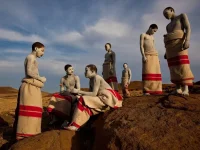
The initiation season just wrapped up with a preventable and brutal death toll. South Africa’s summer rites have claimed 41 young men, with the Eastern Cape reporting 20 fatalities, including 13 at legally registered schools, according to government data confirmed by CoGTA Minister Velenkosini Hlabisa. This recurring crisis stems from illegal operations and hazardous conditions like severe dehydration and septic infections, despite existing laws designed to enforce safety.
Deaths frequently result from neglect within poorly run schools, where initiates face extreme heat without adequate water, endure botched circumcisions with unclean tools, or suffer assaults from carers. The Customary Initiation Act mandates registration and medical checks, but enforcement in remote areas falters, allowing unlawful schools to bypass crucial health screenings. Monitoring teams have intervened at some sites, rescuing initiates and making arrests, yet the systemic issues persist season after season.
This persistent loss has left families devastated and communities demanding concrete change. The official response focuses on heightened enforcement, expanded training for surgeons and carers, and public pressure to use only sanctioned schools. However, with historical fatalities in the Eastern Cape alone numbering over a thousand since 1995, the pattern highlights a profound failure to protect a valued cultural tradition from lethal mismanagement.
Deaths frequently result from neglect within poorly run schools, where initiates face extreme heat without adequate water, endure botched circumcisions with unclean tools, or suffer assaults from carers. The Customary Initiation Act mandates registration and medical checks, but enforcement in remote areas falters, allowing unlawful schools to bypass crucial health screenings. Monitoring teams have intervened at some sites, rescuing initiates and making arrests, yet the systemic issues persist season after season.
This persistent loss has left families devastated and communities demanding concrete change. The official response focuses on heightened enforcement, expanded training for surgeons and carers, and public pressure to use only sanctioned schools. However, with historical fatalities in the Eastern Cape alone numbering over a thousand since 1995, the pattern highlights a profound failure to protect a valued cultural tradition from lethal mismanagement.