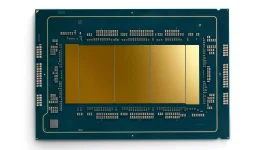
Intel's next monster workstation chip just showed its face in a benchmark database. The listed Xeon 698X configuration boasts 86 cores and a massive 336 megabytes of L3 cache. Early single-core performance results appear significantly higher than the current flagship model, which is a critical detail for professional creative and engineering software.
Multi-core scores from this early entry are less meaningful, as they can shift dramatically with final firmware and system tuning. The sheer scale of the hardware, however, clearly targets heavily parallel workloads like rendering, simulation, and complex data processing. The large cache is designed to help keep those many cores fed with data.
This processor is positioned within Intel's upcoming Granite Rapids workstation family. Its arrival is anticipated alongside a refresh for the consumer desktop platform, suggesting a coordinated launch cycle. For potential buyers, the final assessment will depend on sustained performance under real professional applications, platform pricing, and how it stacks against existing alternatives.
Multi-core scores from this early entry are less meaningful, as they can shift dramatically with final firmware and system tuning. The sheer scale of the hardware, however, clearly targets heavily parallel workloads like rendering, simulation, and complex data processing. The large cache is designed to help keep those many cores fed with data.
This processor is positioned within Intel's upcoming Granite Rapids workstation family. Its arrival is anticipated alongside a refresh for the consumer desktop platform, suggesting a coordinated launch cycle. For potential buyers, the final assessment will depend on sustained performance under real professional applications, platform pricing, and how it stacks against existing alternatives.