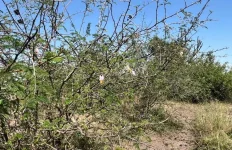
An invasive plant threatens Queen Elizabeth National Park after destroying 40 percent of the grasslands that wildlife depends on for food and breeding. The sicklebush spreads rapidly, forming dense thickets that block animal migration routes and force herbivores to leave protected areas in search of grazing land. Park officials said 7,961 hectares have been lost since the species appeared in 2014.
Uganda Wildlife Authority cleared 765 hectares through manual removal, which costs 4 million shillings per hectare and requires teams of 25 workers to uproot plants over four days. The park needs more than 43 billion shillings to eliminate remaining infestations before habitats disappear completely. Officials tried bulldozers and biological controls with imported moths, but both methods failed to stop regrowth.
The species drives animals into surrounding villages, where residents kill them for destroying crops and threatening safety. Park managers installed 126 kilometers of electric fence and placed nearly 1,900 beehives along borders to reduce conflict between elephants and farmers. Smart monitoring technology tracks collared lions and elephants while rangers use mobile applications to document poaching cases with GPS coordinates for prosecution.
Uganda Wildlife Authority cleared 765 hectares through manual removal, which costs 4 million shillings per hectare and requires teams of 25 workers to uproot plants over four days. The park needs more than 43 billion shillings to eliminate remaining infestations before habitats disappear completely. Officials tried bulldozers and biological controls with imported moths, but both methods failed to stop regrowth.
The species drives animals into surrounding villages, where residents kill them for destroying crops and threatening safety. Park managers installed 126 kilometers of electric fence and placed nearly 1,900 beehives along borders to reduce conflict between elephants and farmers. Smart monitoring technology tracks collared lions and elephants while rangers use mobile applications to document poaching cases with GPS coordinates for prosecution.