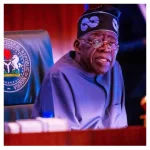
The Presidency pushed back against claims that foreign oil companies are leaving Nigeria permanently. Olu Verheijen advises President Bola Tinubu on energy matters and spoke with the News Agency during Sunday interviews across Abuja. She explained that international firms are shifting their focus toward deeper ocean drilling projects rather than abandoning the country completely. The energy adviser described this movement as companies rebalancing their operations across different areas. Verheijen believes the changes represent strategic business decisions rather than permanent departures from Nigerian markets.
Nigerian oil companies are taking control of onshore operations as foreign firms move to offshore drilling sites. Local players have gained respect from communities and built stronger technical skills over recent years. Verheijen expects these domestic companies to expand beyond Nigeria and compete across African and global markets. Indigenous firms have successfully purchased assets that international companies decided to sell. Nigerian equity in gas operations jumped from 69 percent to 83 percent during this transition period.
The energy adviser called on African investors and financial institutions to fill gaps left by departing international oil firms. She wants continent leaders to learn from Nigeria and make Africa an attractive place for global investment. Verheijen hopes her legacy will bring more Nigerians access to energy and high-paying jobs. The adviser aims to create lasting institutional reforms that keep Nigeria competitive worldwide. She wants the country to become energy-secure rather than just energy-rich for future generations.
Nigerian oil companies are taking control of onshore operations as foreign firms move to offshore drilling sites. Local players have gained respect from communities and built stronger technical skills over recent years. Verheijen expects these domestic companies to expand beyond Nigeria and compete across African and global markets. Indigenous firms have successfully purchased assets that international companies decided to sell. Nigerian equity in gas operations jumped from 69 percent to 83 percent during this transition period.
The energy adviser called on African investors and financial institutions to fill gaps left by departing international oil firms. She wants continent leaders to learn from Nigeria and make Africa an attractive place for global investment. Verheijen hopes her legacy will bring more Nigerians access to energy and high-paying jobs. The adviser aims to create lasting institutional reforms that keep Nigeria competitive worldwide. She wants the country to become energy-secure rather than just energy-rich for future generations.