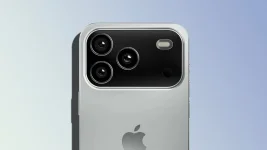
Apple might dodge price hikes on its flagship phones despite memory shortages wrecking everyone else, because they build most chips in-house instead of buying from vendors. The company already bumped pricing on previous models, but switching to custom silicon for modems, processors, and wireless components could offset rising RAM costs when next year's lineup drops.
Their baseband chip alone saves around ten bucks per device based on earlier estimates, which adds up fast across millions of units shipped without paying Qualcomm licensing fees. Stacking those savings with custom application processors on expensive 2nm nodes and proprietary wireless tech means they can probably keep retail prices stable even while component suppliers squeeze manufacturers everywhere else.
The foldable model launching alongside standard versions will still cost a fortune regardless, but at least the Pro devices might stay at current pricing tiers instead of climbing another fifty to one hundred dollars higher.
Their baseband chip alone saves around ten bucks per device based on earlier estimates, which adds up fast across millions of units shipped without paying Qualcomm licensing fees. Stacking those savings with custom application processors on expensive 2nm nodes and proprietary wireless tech means they can probably keep retail prices stable even while component suppliers squeeze manufacturers everywhere else.
The foldable model launching alongside standard versions will still cost a fortune regardless, but at least the Pro devices might stay at current pricing tiers instead of climbing another fifty to one hundred dollars higher.