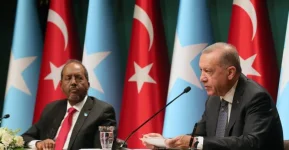
Israel's Somaliland play got some major international side-eye. The Arab League and Turkey both blasted the recognition move on Friday, joining a wave of condemnation. Arab League Secretary-General Ahmed Aboul Gheit, speaking from Cairo, called the decision provocative and unacceptable. He said it violated international law and Somalia's sovereignty, calling it an assault on an Arab and African state. The League stated Somaliland is part of the Federal Republic of Somalia, arguing this sets a dangerous precedent for regional security.
Turkey's Foreign Ministry also issued a sharp rebuke. They called it another unlawful action by Prime Minister Benjamin Netanyahu's government. Ankara accused Israel of explicit interference in Somalia's internal affairs. They stressed that Somalia's future must reflect the will of all Somalis, reaffirming Turkey's support for Somali territorial integrity. These reactions followed similar criticism from the African Union, Saudi Arabia, Jordan, and Somali officials.
The federal government in Mogadishu considers Somaliland part of its territory. The breakaway region declared independence in 1991 but lacks recognition from the UN or the African Union. This growing backlash highlights serious sensitivities around border integrity. It points to prolonged diplomatic friction in global forums over the issue.
Turkey's Foreign Ministry also issued a sharp rebuke. They called it another unlawful action by Prime Minister Benjamin Netanyahu's government. Ankara accused Israel of explicit interference in Somalia's internal affairs. They stressed that Somalia's future must reflect the will of all Somalis, reaffirming Turkey's support for Somali territorial integrity. These reactions followed similar criticism from the African Union, Saudi Arabia, Jordan, and Somali officials.
The federal government in Mogadishu considers Somaliland part of its territory. The breakaway region declared independence in 1991 but lacks recognition from the UN or the African Union. This growing backlash highlights serious sensitivities around border integrity. It points to prolonged diplomatic friction in global forums over the issue.