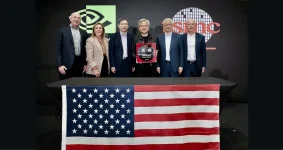
NVIDIA’s boss says the US-Taiwan chip deal is about building more fabs, not gutting Taiwan, even as production ramps up stateside.
Jensen Huang addresses chip deal rumors
Jensen Huang addresses chip deal rumors
- Jensen Huang rejects the idea of a forced capacity transfer.
- Calls it expansion through added output.
- Frames the deal as practical, not political theater.
- Pushes back on panic narratives.
- TSMC plans major US capacity growth.
- Reports point to 40 percent output tied to America.
- New fabs add supply rather than drain Taiwan.
- Scale matters more than relocation.
- Taiwan faces power constraints for fab growth.
- Energy ceilings cap local expansion.
- Europe and Japan join the US as build sites.
- Demand is outpacing Taiwan’s grid.
- NVIDIA sees a sturdier supply chain.
- Extra fabs spread risk across regions.
- Global output rises instead of shuffling lines.
- Business continuity stays intact.
- Core R&D remains on the island.
- Advanced processes stay domestic.
- N-2 policy is not up for trade.
- Control over key tech stays local.
- Taiwan commits $500 billion toward US investment.
- Prior TSMC pledges get stacked higher.
- Fab construction accelerates in America.
- Volume growth outpaces politics.